Drawing a face is learning to actually look at one.
We built Pyzareth around a single idea — that portrait drawing is not a talent you have, it's a skill you develop through deliberate, guided practice. Both in groups and one-on-one.
Learning with others changes what you notice
Watching a classmate struggle with the same proportion problem you had last week is genuinely useful. Group sessions at Pyzareth are kept small — no more than 8 people — so critique stays real and personal, not a generic comment for the whole room.
- Live sessions via video, twice a week
- Rotating model references each session
- Peer critique with instructor facilitation
- Shared progress folder for comparison
One instructor, one student, one specific problem
Private sessions move at your pace, not the group's. If you've been drawing eyes incorrectly for years, we spend the time needed to fix that — not just note it and move on. Every session ends with a clear next step you actually understand.
- Flexible scheduling, booked directly
- Homework reviewed before each session
- Custom reference materials prepared for you
- Progress tracked across all completed work
Small team, clear focus
Every instructor at Pyzareth still draws regularly. Teaching portrait work without an active practice of your own produces shallow feedback.
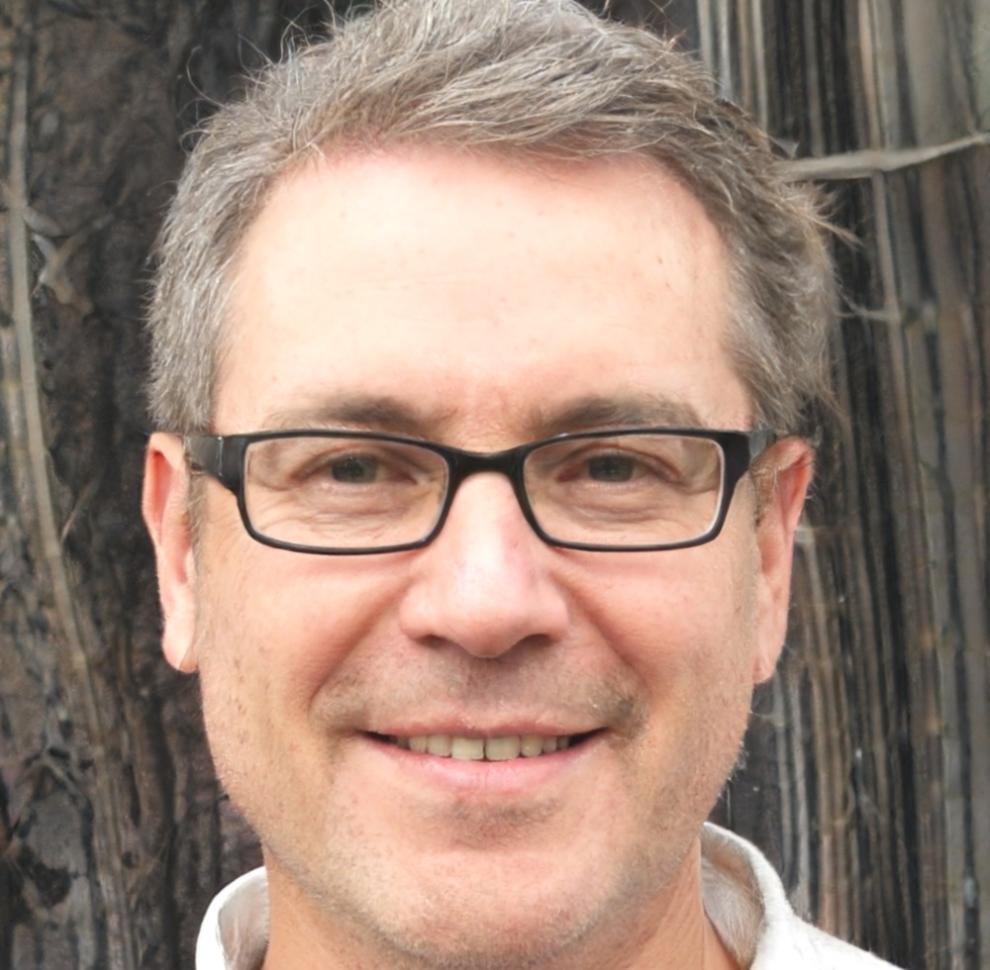
Orest Kavyliuk
Lead Drawing InstructorOrest has been teaching portrait drawing since 2018, working with beginners who've never picked up a pencil seriously and with artists correcting habits from earlier training. His sessions focus on observation — specifically on what people think they're seeing versus what's actually in front of them.
He completed formal academic training in Kyiv and spent several years doing commissioned portrait work before shifting focus to teaching. His approach is direct: he'll tell you what's wrong in the drawing before what's right.
Daryna Voskal
Curriculum & Student ProgressDaryna structures the learning paths for both group and individual students, making sure each stage builds on the previous one in a way that's paced for real life — not an idealized 30-minutes-a-day schedule.
What sessions actually look like
These are screenshots and materials from real classes — not staged. Portrait drawing at this level involves a lot of back-and-forth, erasing, and reconsidering. That's the process.
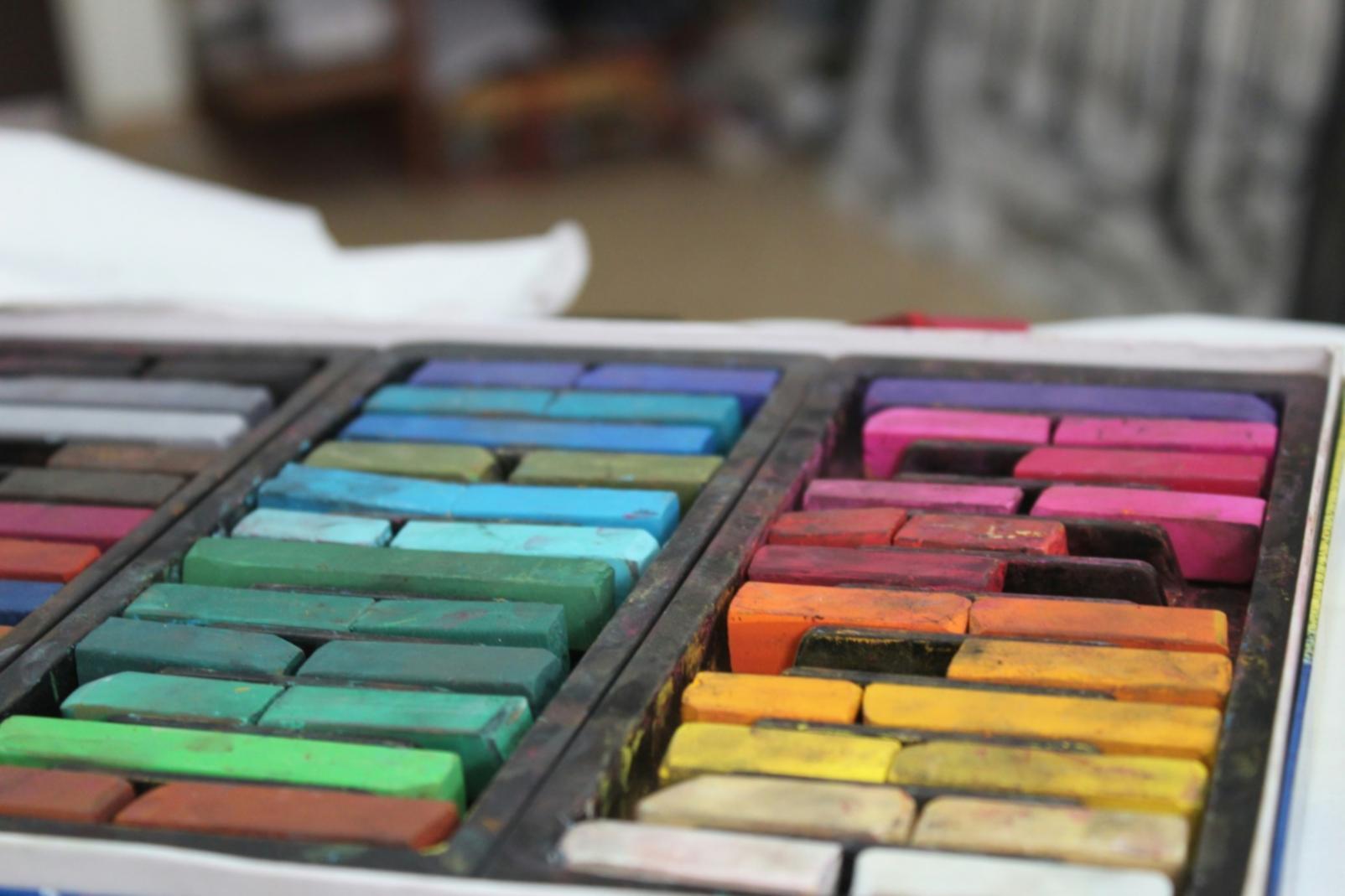 Live group session — proportion study
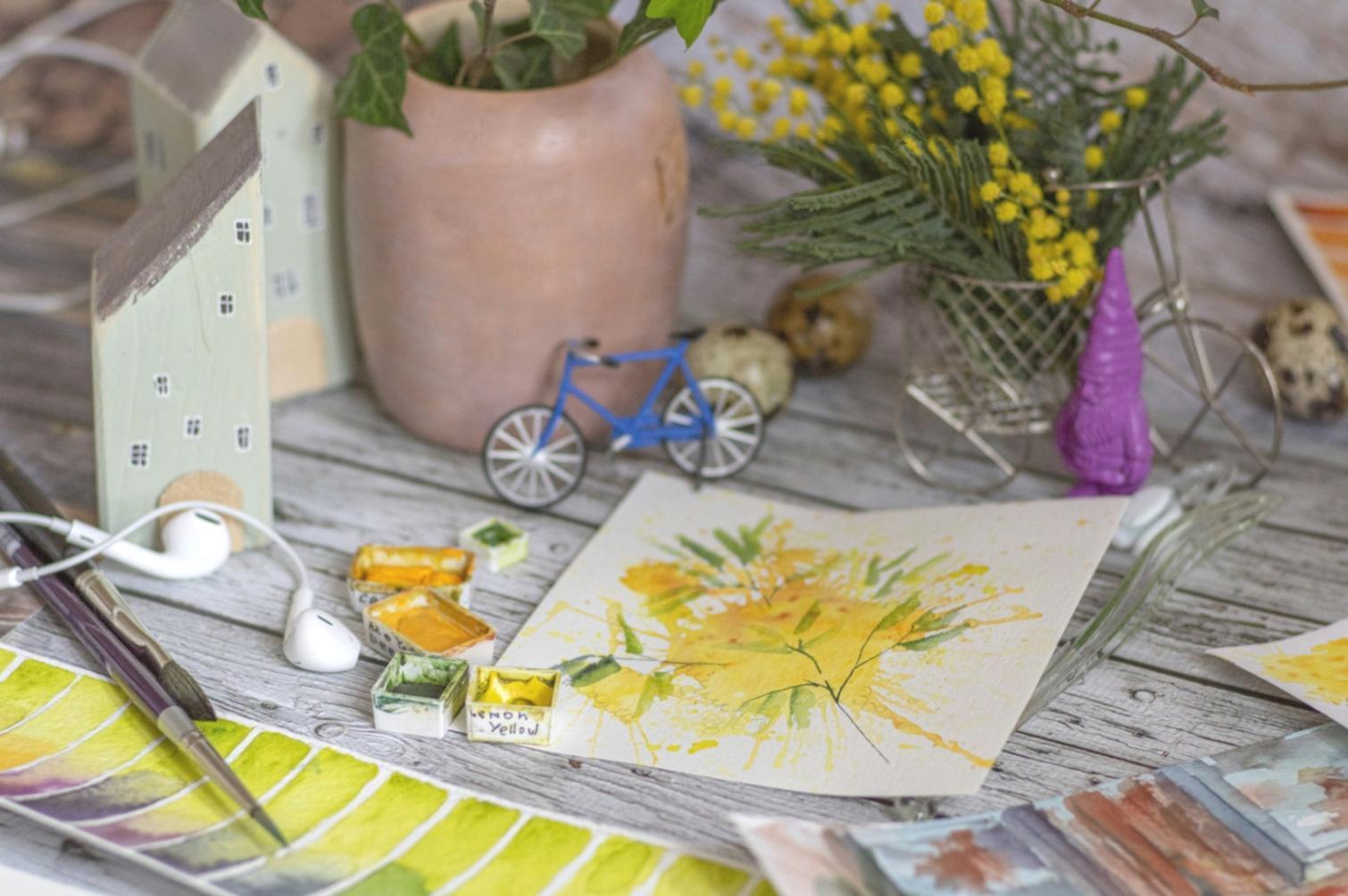 Facial planes, individual lesson
 Reference setup for eye studies
 Value study, shading stage